
Original and enhanced footage in sync
In the video below, both versions can be viewed at the same time. The original footage is shown at the top and the enhanced version below. Both run in sync, making the differences immediately visible.
Top: original footage. Bottom: enhanced version.
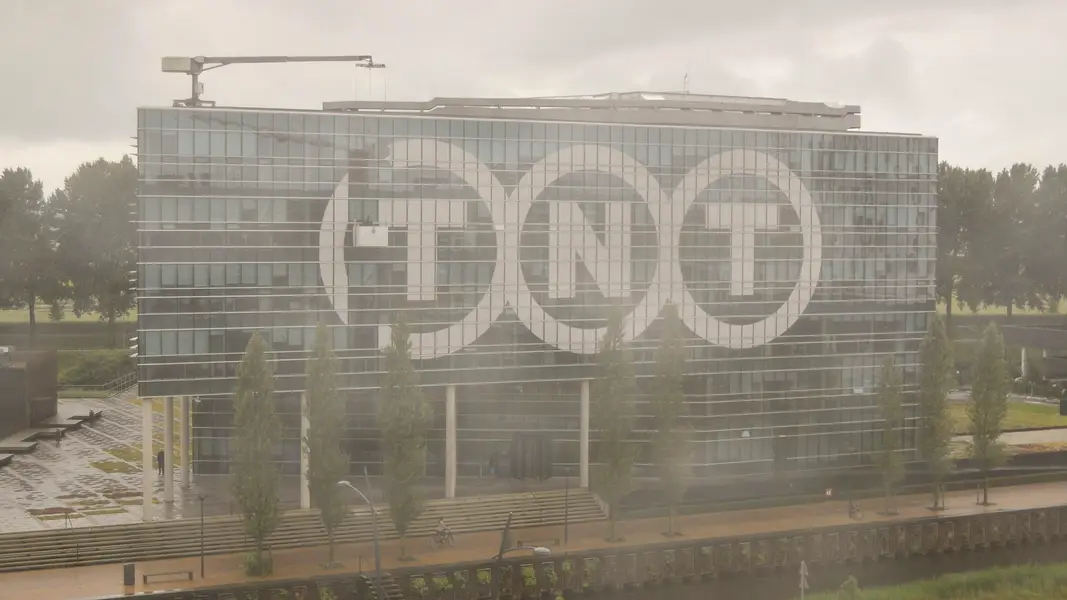
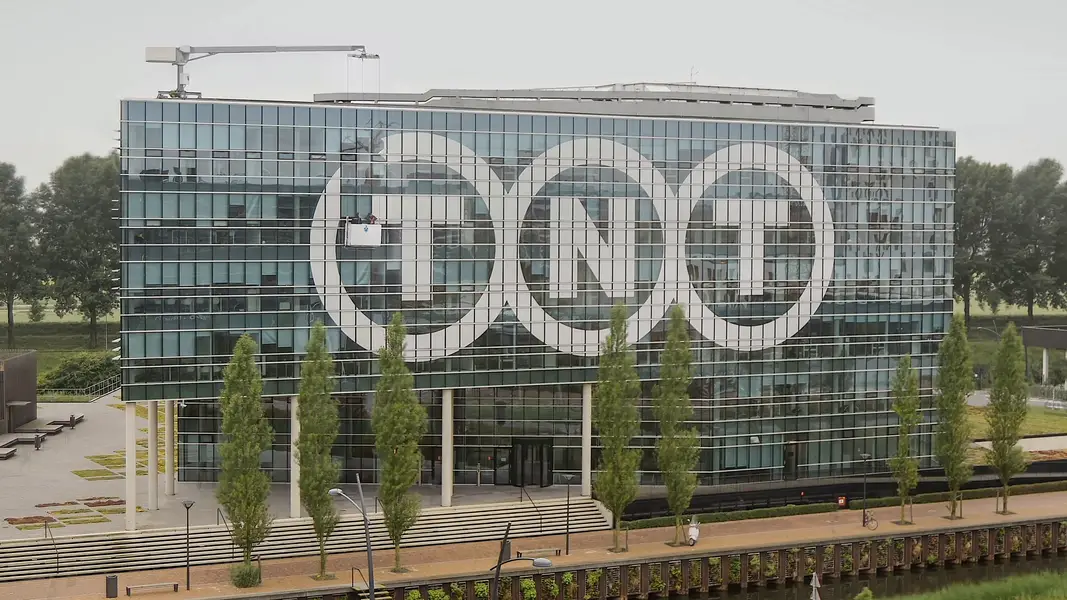
When the weather does not cooperate
During this project, the weather conditions were far from ideal. The light changed constantly, clouds moved through and low-hanging mist was frequently present. There was also a lot happening in the frame. Together, these factors meant that the source material ultimately fell short of what we had hoped for.
Fortunately, such a combination of rapidly changing light, cloud cover and low-hanging mist does not occur very often. With a long-term timelapse project you will naturally always encounter changing conditions, but in this recording several unfavourable factors came together at once.
Why this becomes more visible in a timelapse
A timelapse consists of a long sequence of individual images played one after another. Differences in brightness and contrast that are barely noticeable between two separate photographs can suddenly become very obvious during playback. When light, cloud, mist and activity in the frame are constantly changing, the result can therefore feel quite unsettled.
In this case, the main issue was the succession of all those changes. The source material contained plenty of useful imagery, but as a timelapse it did not look as calm and consistent as we wanted.
Revisited with newer techniques
These images have always stayed in my mind. As the possibilities of image processing have continued to develop, it was interesting to look at them again and see what is now possible.
We therefore processed the material using the latest image-processing techniques, including AI. The aim was not to change the recording, but to reduce distracting differences between consecutive images. In particular, changes in light and contrast could be matched more closely. Small differences between consecutive frames that created extra visual unrest could also be corrected more effectively.
What the processing changes
The result is still the same recording and the same conditions, but the image is much calmer to watch. Differences between individual frames draw less attention, allowing the timelapse as a whole to come across more clearly.
What we find particularly interesting is that material recorded under difficult conditions can ultimately come across much better. The quality of the source material naturally remains important, and not every recording can be improved in the same way.
This recording mainly shows how much is now possible with current image-processing techniques when conditions during a timelapse project do not quite cooperate.